
Mohare Danda Trek: Route, Permit, and Distance Details
13 Sep 2026
Explore Mohare Danda; peaceful trails, stunning Himalayan views, and authentic Magar culture in the Annapurna region.

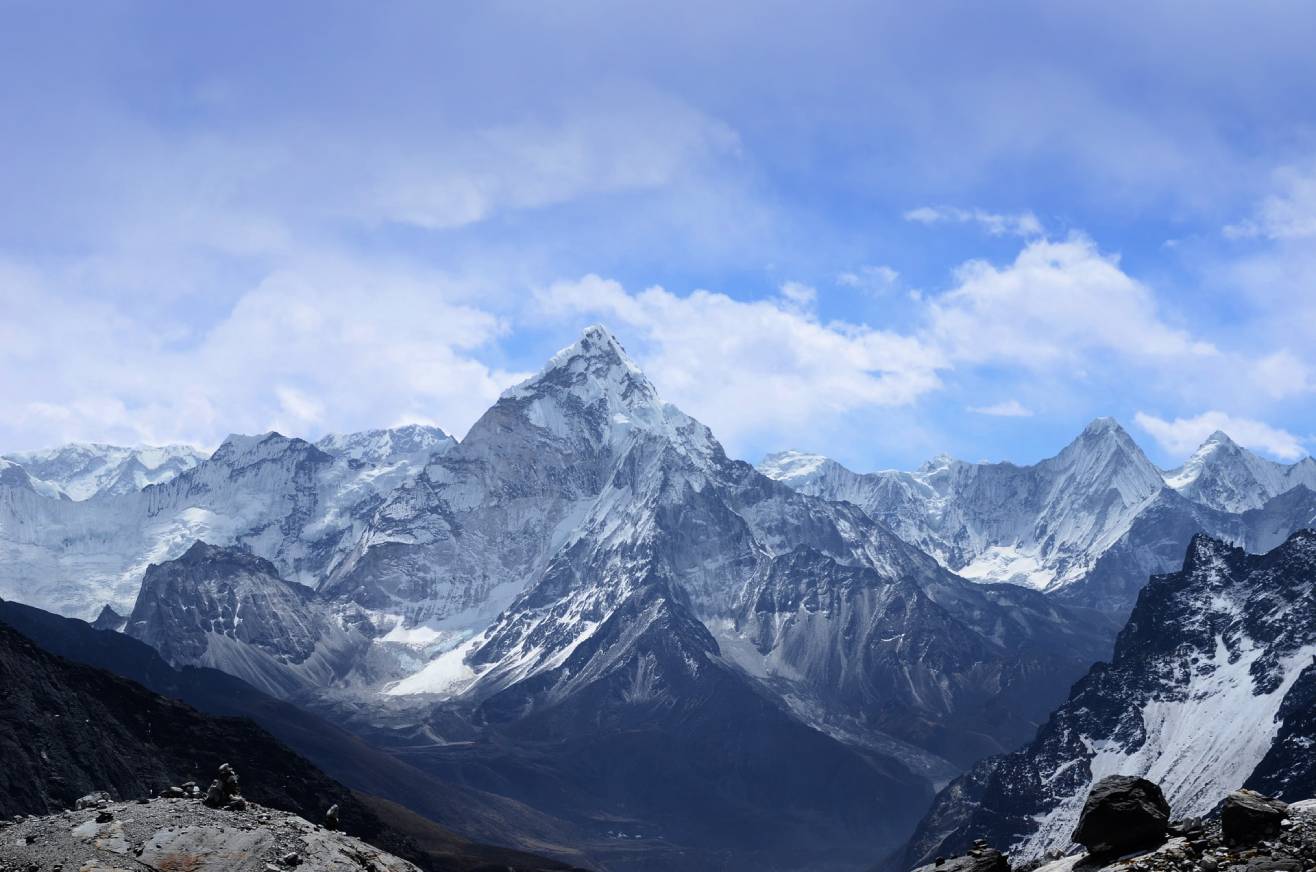
Sprawling across the protected conservation area with subtropical forests, high-altitude desert and all the intermediate zones, the Annapurna region is not only Nepal's most frequented trekking area but also its most diverse one. If one desires variety, ease of access, and world-class mountain views, then this is the ultimate Himalayan trekking spot.
Annapurna Base Camp Trek (7-11 days), the region's most famous trail, leads you through rhododendron forests and charming Gurung villages up to a magnificent glacial amphitheatre at 4,130 m, surrounded by Annapurna I, Annapurna South, and the renowned fishtail peak of Machapuchhare. It is rated moderate and is one of the most accessible base camp treks in the Himalayas.
Annapurna Circuit (13-20 days) is really one of the world's must-do trekking experiences, not only crossing the Thorong La Pass (5,416 m) but also visiting the holy temple of Muktinath and hiking through the Kali Gandaki gorge, the deepest valley on the planet. For beginners, there is the Ghorepani Poon Hill Trek (4 to 5 days), while those desirous of solitude can opt for the Mardi Himal Trek, and the off-the-beaten-path-loving adventurers can go for the remote Nar-Phu Valley Trek.
The track winds through the lower Gurung villages, then the Kali Gandaki valley, where there are Thakali merchant settlements known for apple brandy and buckwheat pancakes, and the Tibetan Buddhist communities are located near Muktinath with chortens and ancient monasteries along the upper trails.
Ideal months for trekking are spring (March-May) and autumn (September-November). In spring, you will see the lower trails dotted with thousands of blooming rhododendrons; in the fall, you get the clearest views at higher altitudes. Pokhara is the gateway, just a short flight or 6–7-hour drive from Kathmandu. Nepal can offer you teahouse accommodation, which is the most developed type, in the range from very basic to boutique.
All trekkers will need to get an ACAP permit as well as a TIMS card.
On the website Annapurna Region Trek, Treklanders provides the whole range of Annapurna trek options from 4 to 20 days.
The Annapurna Base Camp Trek (7-11 days) is a simple route that follows the Modi Khola valley up to the beautiful and spectacular glacier of ABC 4,130 m. It is suitable for those who prefer a concentrated, intense experience and have less time available. The Annapurna Circuit Trek covers a complete journey around the Annapurna mountain, passing Thorong La Pass at 5,416 m, and offers much more diverse landscapes, cultural experiences, and altitudes. It is a challenging route and one of the classic long-distance treks in the world.
The Ghorepani Poon Hill Trek counts as easy to moderate and is among the most beginner-friendly Himalayan treks in Nepal. The trek, which lasts for 4-5 days, starts from Nayapul (Pokhara is the nearest city) and ascends through rhododendron forests to the viewpoint hill of Poon Hill (3,210 m), known for its 360-degree sunrise view of Dhaulagiri, Annapurna, and Machapuchhare mountains. Walking time is 4-6 hours daily on well-maintained paths. The trek needs no prior experience, and the route is very family-friendly and suitable for older trekkers and people visiting the Himalayas for the first time.
Annapurna Conservation Area Permit (ACAP) and Trekker's Information Management System (TIMS) card are the two permits required for all the trekking routes in the Annapurna region. They can be obtained from the Nepal Tourism Board office located in Kathmandu or Pokhara. Besides these, the Nar-Phu Valley section of the circuit is a restricted area that needs a separate permit and a guide who is licensed. Treklanders, a trekking service in Nepal, will take care of all your permit arrangements when you book a trek with them. The money from the ACAP fee is used for community development and conservation projects in the Annapurna Conservation Area.
Thorong La Pass at 5,416 meters (17,769 ft) is the highest point along the Annapurna Circuit Trek and also happens to be one of the highest trekking passes in the world. From the tea house settlement of Thorong Phedi, reaching the pass generally takes 5-7 hours, after which there is a steep descent to Muktinath at 3,760 meters. To be able to cross the pass safely and successfully, one needs to undergo proper acclimatization in Manang at 3,519 meters. Our Treklanders itineraries include a compulsory acclimatization day in Manang before the pass challenge.
Tilicho Lake is one of the highest lakes in the world, located at an altitude of 4,919 m. It lies in a spectacular glacial valley above the Annapurna Circuit track near Manang. According to Hindu mythology, Tilicho is the place where Lord Rama was in exile, which gives a spiritual aspect to the already stunning landscape. The 15-Day Tilicho Base Camp with Thorong La Pass Trekking offered by Treklanders features Tilicho Lake as a lovely addition to the normal circuit, so it is one of the most comprehensive Annapurna adventures in existence.
The Annapurna region has the highest cultural diversity among the trekking areas of Nepal. The lower trails go through Hindu Gurung and Magar villages, where visitors can witness shamanic rituals and attend community festivals. The Kali Gandaki valley, which is the Thakali homeland, has a unique merchant culture that is well-known for its food and hospitality. Close to Muktinath - which is a holy place for both Hindus and Buddhists - and in the upper Mustang area, the Tibetan Buddhist culture is dominant. The Nar and Phu valleys, which are reachable from the Nar-Phu Trek, are inhabited by people who lived isolated until the restricted area permit system was implemented.
Yes. Pokhara is the primary gateway city for the Annapurna region. Most routes start from road points accessible by bus or jeep from Pokhara to Nayapul for the Ghorepani Poon Hill and ABC treks, Besisahar for the Annapurna Circuit, and Kande for the Mardi Himal Trek. Pokhara is a stunning lakeside city with views of Machapuchhare and the Annapurna range. Treklanders can arrange comfortable accommodation in Pokhara before and after your trek, as well as all transport logistics from Kathmandu to Pokhara and trailhead transfers.
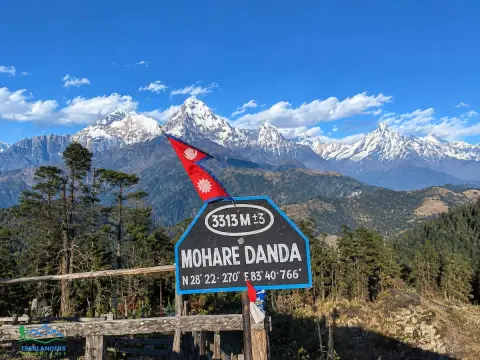
Explore Mohare Danda; peaceful trails, stunning Himalayan views, and authentic Magar culture in the Annapurna region.
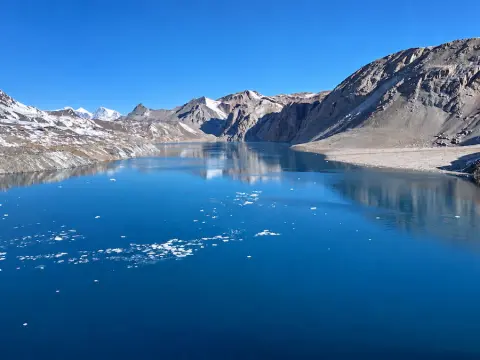
Discover the Tilicho Lake Base Camp Trek in Nepal, featuring stunning Himalayan scenery, remote Manang trails, and the iconic Thorong La Pass.
Discover the top 5 treks in the Annapurna region and find the perfect route for your Himalayan adventure.
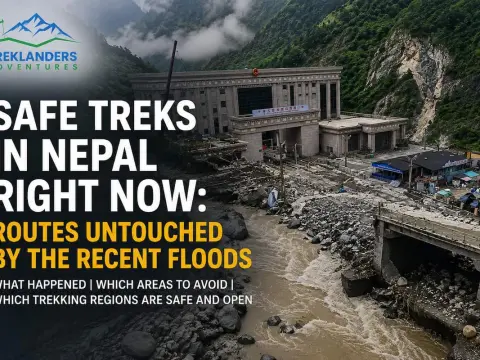
Discover which trekking routes in Nepal remain safe and open after the recent floods, and which affected areas travelers should avoid for now.
Discover how solo female trekkers can explore Nepal safely with practical advice on guides, permits, altitude, preparation, and trail safety.
Discover 7 less crowded treks in Nepal with quiet trails, stunning Himalayan views, remote villages, and authentic experiences away from the crowds.

Choosing between a private and group trek in Nepal depends on flexibility, pace, budget, and travel style. Compare both to find your best fit.
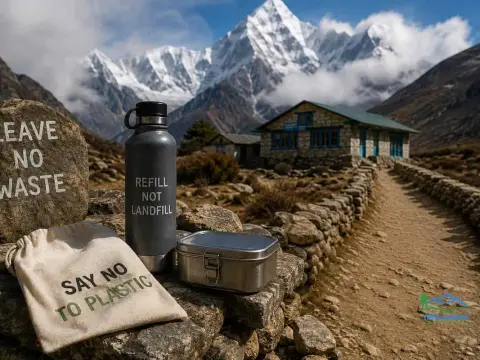
Learn how to reduce plastic waste while trekking in Nepal with simple zero-waste tips for water, food, gear, and responsible trail travel.
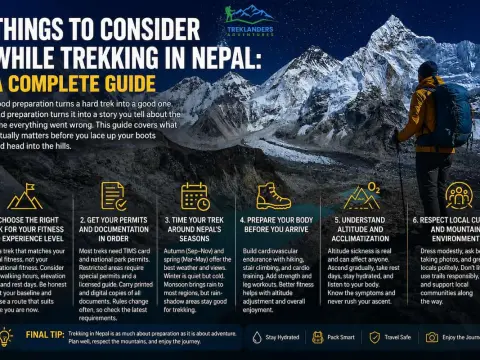
Plan your Nepal trek with confidence. Discover essential tips on permits, altitude, gear, seasons, safety, accommodation, and responsible trekking.



